
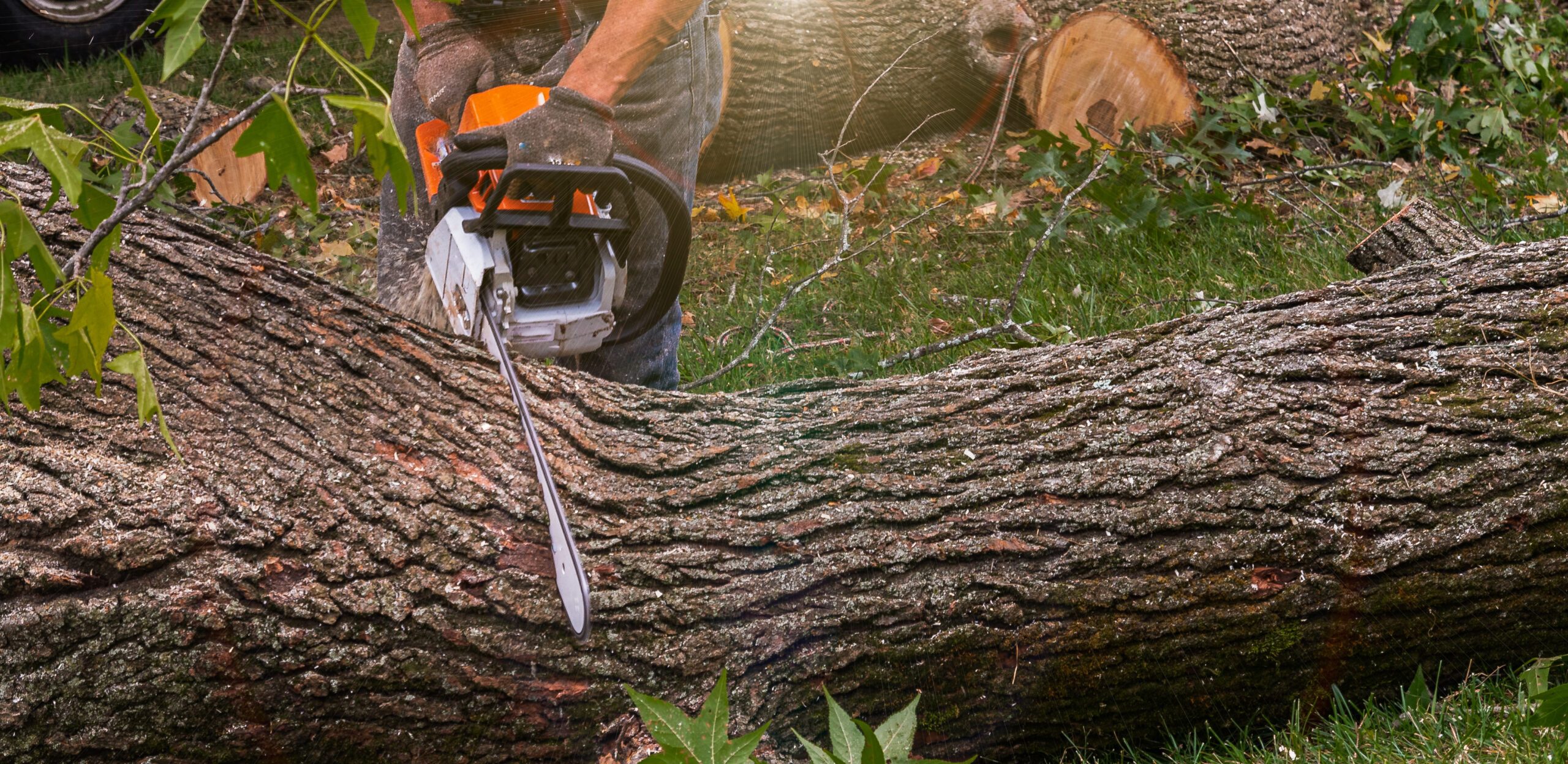
Yard plant care requires planning, regular checks, and proper cutting habits. Owners want clear steps to manage branch development, stop hazards, guard buildings, and preserve open paths. Using an arborist tree assessment early aids in detecting weak limbs, planning safe actions, and supporting a healthy canopy. Routine care lowers storm damage risk, keeps light reach steady, reduces pest spread, and supports safety near walkways.
Basic Branch Care Principles
Proper branch care keeps plants safe, supports growth, prevents damage during storms, improves light reach, lowers pest risk, protects nearby structures, reduces falling limb hazards, supports clear paths, helps routine upkeep, promotes balanced shape, limits strain, and supports long-term health.
Seasonal Care Timing Methods

Care timing during each season reduces breakage risk, manages density, improves air flow, supports safety near buildings, limits growth conflicts with wires, aids inspection planning, keeps access clear, maintains plant form, reduces debris, supports site order, and lowers repair needs for the future.
Cost Control Planning Basics
Plan budgets by estimating scope, prioritizing risk areas, scheduling cycles, reducing overtime, combining tasks, tracking materials, preventing repeat visits, limiting waste, aligning vendors, monitoring results, updating plans, reviewing outcomes, keeping records, and supporting audits through clear reports each month cycle.
Tool Care Checklist Items
Clean cutting tools after tasks, dry surfaces, oil joints, store safely, check handles, and replace worn parts regularly before next use.
- Wipe blades daily, remove sap, apply lubricant, tighten bolts, inspect guards, sharpen edges, test switches, and maintain storage area cleanliness always.
- Use proper cases, avoid moisture, keep racks tidy, separate sharp items, lock cabinets, control access, and maintain inventory records at the site.
Smart upkeep uses scheduled review, measured pruning, timely removal, and accurate records. Teams gain control over site conditions, reduce liability, keep access routes usable, stabilize structures, improve visibility, and extend lifespan. Apply arborist tree assessment during reviews to prioritize work, guide budgeting, align tasks, and verify stability. Consistent oversight improves reliability, supports occupancy needs, reduces incident likelihood, preserves value, enables smoother operations, meets duty requirements, strengthens compliance, sustains performance, supports steadiness, and promotes resilience within managed environments.
About the Author